


PLAN • Budgeting
How to Create a Budget That Helps You Build Wealth
Have you ever reached the end of the month and wondered where your money went? You worked, you earned, you paid bills, you helped people, you bought a few things — and suddenly there is nothing left to save or invest. That is exactly why budgeting matters. Not because it is exciting, but because it gives your money direction before life spends it for you.
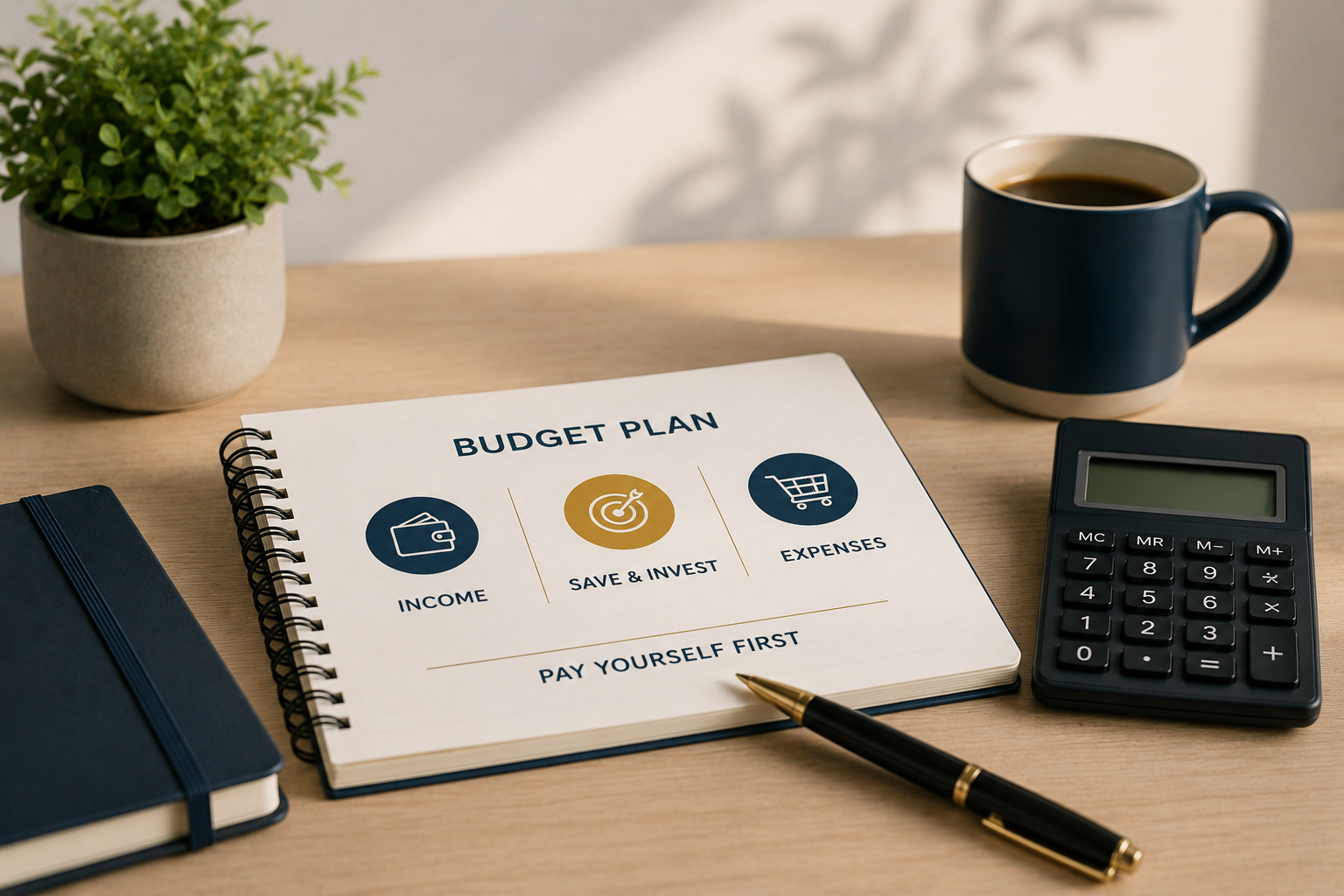
Do You See Budgeting as a Shopping List?
Many people think a budget is just a list of expenses. Rent. Food. Transport. School fees. Airtime. Groceries. Fuel. Entertainment. Once everything is written down, they believe they have created a budget.
But that is only half the picture. A budget is not just a spending plan. It is not simply a shopping list. A real budget has two sides: projected income and projected expenses.
You first need to ask, “What money do I expect to receive?” Then you ask, “How should this money be allocated so that I live today without sacrificing my future?”
PATH Principle
A budget is not a punishment. It is a wealth direction plan. It tells your income where to go before pressure, habits, emergencies, and impulse spending take over.
Why Budgeting Does Not Feel Natural
Let us be honest. Budgeting is not natural for most people. It can feel restrictive. It can feel boring. It can even feel uncomfortable because it forces you to face the truth about your income, expenses, debt, habits, and responsibilities.
Have you ever avoided checking your balance because you already knew it would disappoint you? Have you ever told yourself, “I will budget next month,” but next month came and the same pattern continued?
That is normal. Budgeting requires discipline because it asks you to pause before spending. It asks you to make choices. It asks you to say no to some things so you can say yes to your future.
But if you are trying to build wealth, budgeting is not optional. You cannot consistently invest money you have not planned for. You cannot build an emergency fund from leftovers. You cannot reach financial freedom if every kwacha already has someone else waiting for it.
The Real Purpose of a Budget
The most important reason for creating a budget is to control expenditure. Not because spending is bad, but because uncontrolled spending quietly destroys wealth.
You may not notice the damage immediately. It may appear as small daily expenses, repeated withdrawals, unplanned contributions, eating out, subscriptions, impulse purchases, or helping others without limits.
On their own, these expenses may look small. But together, they can consume the money that should have been used to build your emergency fund, buy bonds, invest in shares, contribute to a unit trust, or prepare for retirement.
Wealth is not only built by earning more. It is also built by controlling where your income goes.
The Pay Yourself First Budget
The budgeting approach I recommend for wealth building is the Pay Yourself First Budget.
This means that after you project your income, the first “expense” in your budget should be toward savings and investments. Not rent first. Not groceries first. Not entertainment first. Not family demands first. Your future must appear in the budget first.
This may feel strange at first because many people save only what remains after spending. But if you wait for money to remain, you may wait forever.
Practical Insight
Do not save and invest what is left after spending. Spend what is left after saving and investing.
How a Wealth-Building Budget Works
A wealth-building budget is simple in principle. You project your income, pay your future first, fund your essentials, control your lifestyle spending, and balance the budget.
Project Your Income
Start with the income you realistically expect to receive. This may include salary, business income, rental income, allowances, dividends, or any other income source.
Pay Yourself First
Allocate money to savings, your emergency fund, retirement, and investments before lifestyle spending begins.
Fund Essentials
Budget for rent, food, transport, utilities, school fees, insurance, medical needs, and other necessary commitments.
Control Lifestyle Spending
Decide in advance how much can go toward eating out, clothes, subscriptions, entertainment, social events, and non-essential purchases.
Balance the Budget
At the end, your income minus savings, investments, and expenses should equal zero. Every kwacha should have a job.
Why I Do Not Expect a Surplus or Deficit
A proper budget should balance. This does not mean you waste money. It means every kwacha is deliberately assigned.
If your budget has a surplus, that money should not remain vague. Give it a job. Increase your investments. Build your emergency fund faster. Pay down expensive debt. Save toward a clear goal.
If your budget has a deficit, the budget is warning you before the problem becomes painful. It is showing you that your planned expenses are higher than your projected income.
PATH Principle
A balanced budget does not mean you have no ambition. It means every kwacha has been assigned to support your life today and your financial goals tomorrow.
What Should Come First in Your Budget?
If you want your budget to build wealth, your future must appear near the top. Many people say they want to invest, but when you look at their budget, investing is nowhere to be found.
| Budget Priority | What It Means | Why It Matters |
|---|---|---|
| Emergency fund | Money set aside for unexpected events | Protects you from panic borrowing |
| Savings goals | Money for planned short-term and medium-term goals | Prevents every goal from becoming debt |
| Investments | Money allocated toward wealth-building assets | Builds your future consistently |
| Essentials | Housing, food, transport, utilities, education, health | Keeps daily life stable |
| Lifestyle spending | Entertainment, eating out, upgrades, wants | Must be controlled so it does not consume wealth |
Why Wealth Is Rarely Built From Leftovers
Have you ever told yourself, “I will invest whatever remains at the end of the month”? How often did something actually remain?
This is the problem with leftover investing. Life is always ready to consume unassigned money. If money is sitting without a purpose, something will claim it.
A relative calls. A friend invites you somewhere. A sale appears. A small emergency happens. You buy something you did not plan for. Suddenly, the money that was supposed to be invested is gone.
If investing is not planned at the beginning of the month, it will usually disappear before the end of the month.
How to Control Expenditure Without Feeling Deprived
Controlling expenditure does not mean you must live miserably. It means you decide what matters before money leaves your hands.
A good budget should still allow you to live. You can budget for enjoyment. You can budget for giving. You can budget for family support. You can budget for clothes, entertainment, or eating out.
Separate Needs From Wants
Be honest about what is essential and what is optional. Optional spending must not crowd out saving and investing.
Budget for Family Support
If family responsibilities are part of your reality, include them in the budget instead of pretending they will not happen.
Create Spending Limits
Give lifestyle spending a limit. Freedom without limits can quietly destroy your financial goals.
Review What Actually Happened
At month-end, compare your budget to your actual spending. This is where real financial awareness grows.
What If Your Income Is Not Enough?
Sometimes the issue is not only spending. Sometimes your income is genuinely under pressure. If your projected income cannot cover essentials, debt, and basic savings, the budget is telling you the truth.
That truth may be uncomfortable, but it is useful. It shows you that you need a bigger solution than cutting small expenses.
You may need to increase income, renegotiate debt, reduce major commitments, create a side income, improve your skills, or make difficult lifestyle adjustments.
Practical Action
If your budget shows a recurring deficit, do not ignore it. A deficit on paper becomes debt in real life if you do not deal with it.
Budgeting Is a Habit, Not a One-Time Activity
Your first budget may not be perfect. In fact, it probably will not be. You may underestimate some expenses. You may forget certain obligations. You may discover spending patterns you did not expect.
That is okay. The purpose of budgeting is not perfection. It is awareness and control.
Over time, budgeting becomes easier because you begin to understand your financial behaviour. You begin to see where your money leaks. You begin to notice which expenses keep disturbing your goals.
Final Thoughts: Give Every Kwacha a Job
If you want to build wealth, your money must stop moving randomly. It must be directed.
A budget helps you project income, control expenditure, pay yourself first, and make sure your financial goals are funded before your lifestyle consumes everything.
Budgeting may not feel natural, but wealth building requires intentional behaviour. You cannot leave your financial future to chance and expect consistent results.
So before the month begins, sit down with your money. Decide what must come in. Decide where it must go. Pay your future first. Then spend the balance with confidence.
Start Planning Your Money With Purpose
Explore practical online courses from Insight Partners Africa to help you plan, act, track, and harvest your financial journey with confidence.
Explore E-Learning Courses